Michael Moore’s Outlook: What does the Budget have in store?
Political strategists and communications professionals are always on the look out for the telling phrase which sums up their approach and intent as pithily as possible.
Political slogans and corporate strap lines are the result. Sometimes they work, often, despite the effort involved, they fail horribly.
“Are you thinking what we’re thinking?” was an unsuccessful slogan in the UK a generation ago (the answer turned out to be ‘No’ for the party concerned) whereas “Make America Great Again” worked very well for Ronald Reagan and then, perhaps more famously, for Donald Trump.
Sometimes it’s not the official slogan that captures things most effectively, but a comment in an interview or elsewhere. One of the best from modern times was uttered by Bill Clinton’s lead strategist James Carville. Asked what the campaign had to focus on, he replied: “It’s the economy, stupid”.
In the forty or so years since that campaign, the simplicity and brilliance of those words have inspired many adaptations (or re-runs) in the USA and across the world.
A fresh iteration sums up the mood of the UK private capital industry at the moment: “It’s the Budget, stupid”.
In the two or so months since Andy Burnham became Prime Minister and John Healey became Chancellor there has been a lot of activity and much has been said.
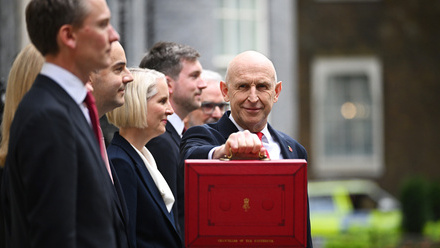
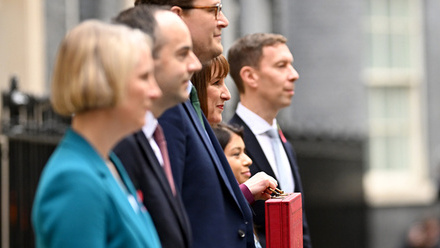
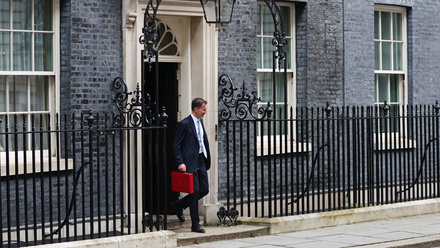
But the Budget is the moment of truth when private equity, venture capital and others will judge where the UK sits as an investment prospect.
Expectations are a bit mixed, to say the least.
Optimists (and I have my moments), who believe the glass is ‘half full’, will take comfort from the consistent messages from leading figures about fiscal discipline, growth and wealth creation. These points were central to Mr Healey’s speech on the day he entered the Treasury.
And for those of us who made the journey to Liverpool for the Labour party conference, they were reassuringly repeated in the Chancellor’s set piece speech on ‘Business Day’.
The Business Secretary, Jonathan Reynolds, and the City Minister, Lucy Rigby, both hammered home the same ideas. Indeed, the latter explicitly told the business audience that “I certainly can’t emphasise enough just how important a role that private capital plays [in the economy].” So that’s settled then.
And yet, there is enough niggling away in the minds of industry figures to give a run out to those who think the glass is ‘half empty’. The fact is that the burden of taxation has increased in both Budgets since Labour won its election victory in 2024. Never mind once bitten, twice bitten leads to a high degree of wariness.
There has also been renewed speculation on the future of Capital Gains Tax and that old chimera, a wealth tax. To certain political mindsets increasing the first or introducing the second is relatively pain free, since it is thought that those who might oppose them are few and not ever likely to support the current government anyway.
In truth, there did not seem to be a serious groundswell at the conference on either of those taxes, and figures like the Business Secretary have been robust in rejecting wealth taxes when they have been floated previously. We remain on the case on all these fronts.
Another area of debate was about what type of economy the PM and Chancellor want. There was quite a lot of nostalgia in the conference speeches and much talk of ‘re-industrialising’ the UK. This does matter, and there is undoubtedly real potential to do it. But manufacturing accounts for 9% or so of GDP and services 82%, so there is a need to ensure policy recognises all of the UK’s strengths.
These uncertainties aside, one other dimension causing unease has been reflected in the bond markets. What exactly are the tax and spend plans of the new team at the top of the government? Ahead of the Budget there has been no opportunity to prove the commitment to ‘fiscal discipline’.
In the meantime, people are left to interpret the ‘vibes’, and many infer they point to higher public spending. The UK is not alone in facing these fiscal challenges, but four years on from the Truss ‘mini Budget’, the country remains under heightened scrutiny.
The old cliché about the glass does, of course, contain a rarely considered truth: it is clearly both ‘half full’ and ‘half empty’ simultaneously, and so in similar vein Budget optimists and pessimists may both be right.
But nobody wants their investment commitment to the UK to look stupid after the fact. So, much is riding on the government making wise choices that support a competitive UK investment climate. The industry is poised to support their growth ambitions if they do.
Michael Moore
Chief Executive, UK Private Capital
This article was originally published on 21 May 2026 on the Private Equity News website here.